AUTOZUG Sylt – Always Online Between Sea and Mainland
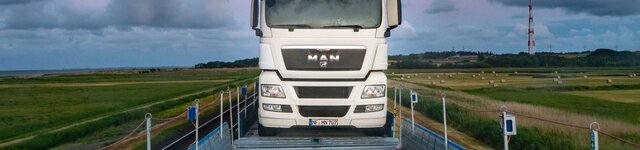
The crossing to Sylt aboard the AUTOZUG takes just under 40 minutes, yet it is precisely this short stretch that places particularly high demands on radio technology. Between the mainland and the island, radio cells change in rapid succession and vehicle superstructures shadow signals. Without the right technology, this means one thing for passengers: dropped connections at exactly the moment they are needed.
With the modernisation of its fleet, the operator therefore pursued a clear goal: The train should not only transport vehicles and passengers, but also remain reliably online throughout the entire crossing.
From Conversion Project to Digital Platform
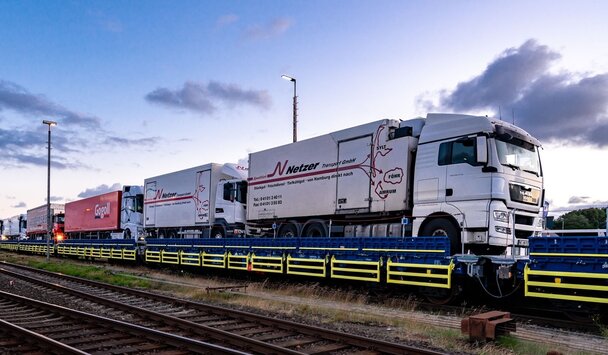
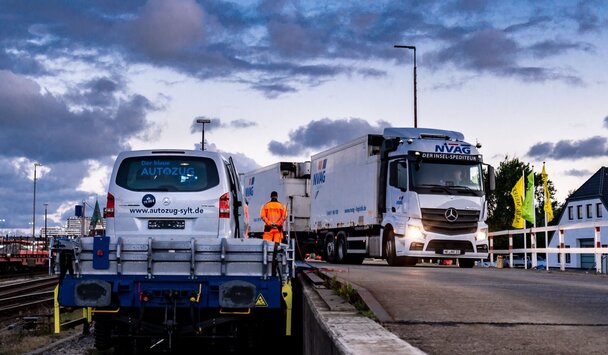
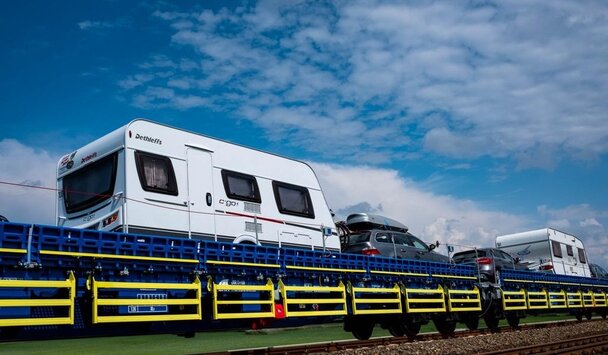
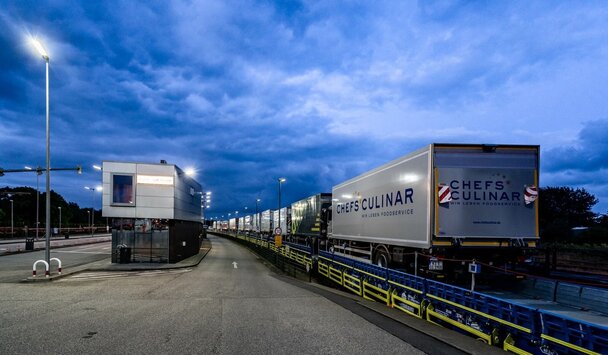
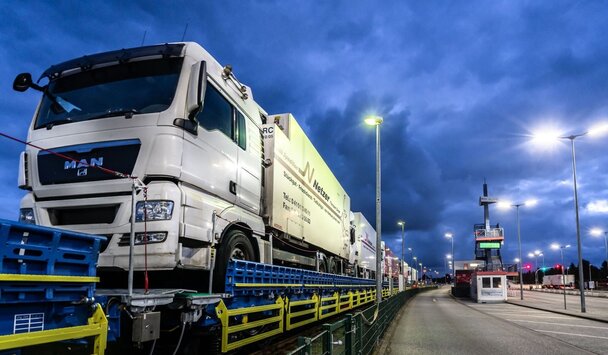
As early as October 2018, RDC AUTOZUG Sylt GmbH commissioned KNRBB GmbH with the project management for expanding the fleet by 34 vehicles. Four-axle freight wagons of the Snps 475 type served as the basis and were adapted for car transport. In addition to structural modifications, requirements from passenger transport had to be implemented, including emergency brake accessibility, escape routes and fire protection.
In parallel, the desire for modern passenger communication emerged.
KNRBB coordinated all parties involved, from design and manufacturing through to the commissioning approval by the German Federal Railway Authority (Eisenbahn-Bundesamt). Within this network, specialised partners worked closely together:
- KNRBB – project management and overall coordination
- Westermo Data Communications GmbH – radio system technology
- IME Elektrotechnik GmbH – communication architecture and integration
- Antonics GmbH – antenna technology
- Umetec GmbH – metal construction
- NEG (Norddeutsche Eisenbahn Niebüll GmbH) - installation work
IME, umetec, Westermo and Antonics are members of the KNRBB network. The implementation thus became a vivid example of how coordinated expertise within a strong network of partners can deliver a complex rail project efficiently.
External Connectivity – The Train as a Mobile Subscriber in the 5G Network
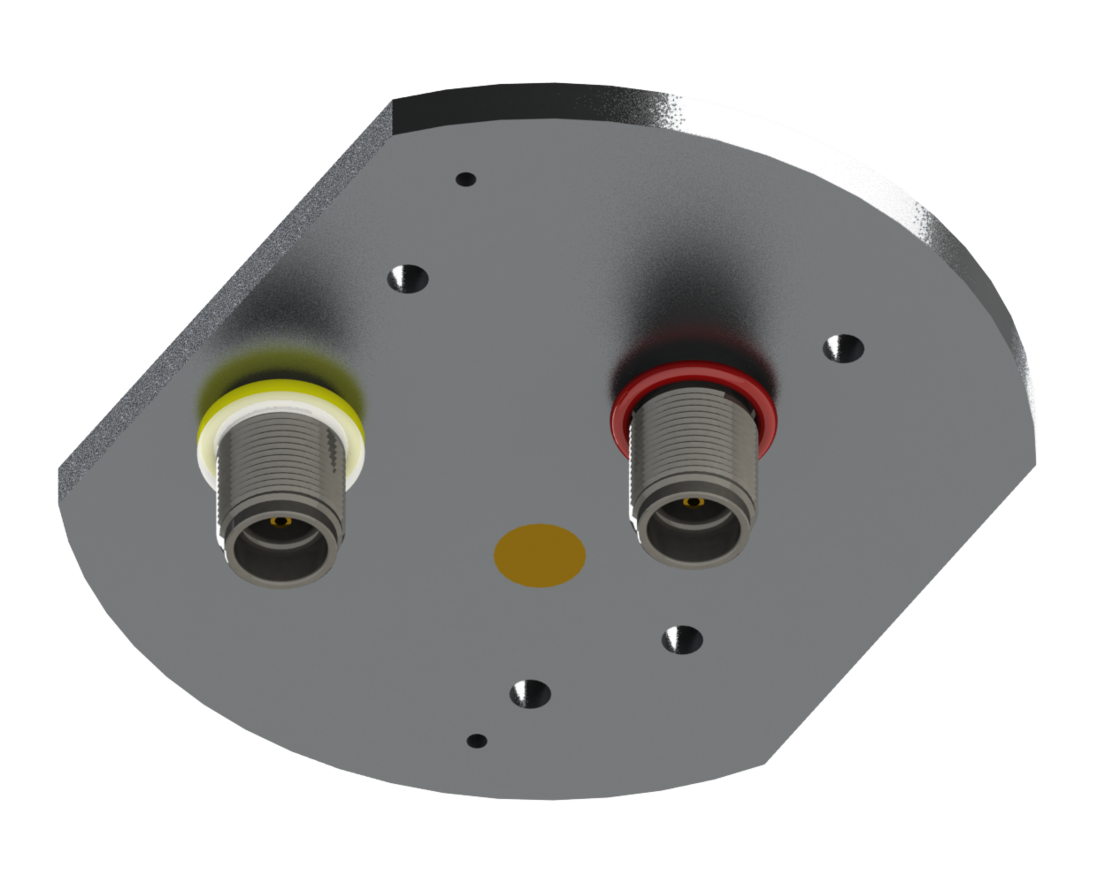
For the connection to the public networks, just under 20 multiband railway antennas were installed on the vehicle roofs: the Antonics X-Plecs®-TOP 120 AMR 5G.
The antenna simultaneously covers GSM-R, LTE and 5G as well as WiFi frequencies. Thanks to its omnidirectional radiation pattern, the connection remains stable regardless of the direction of travel, while an antenna gain of up to 10.5 dBi in the upper mobile band also makes more distant base stations reliably usable.
As a result, the on-board router can permanently select the best available network, without any noticeable interruption for users.
Interior Coverage – Uniform WiFi Across All Wagon Areas
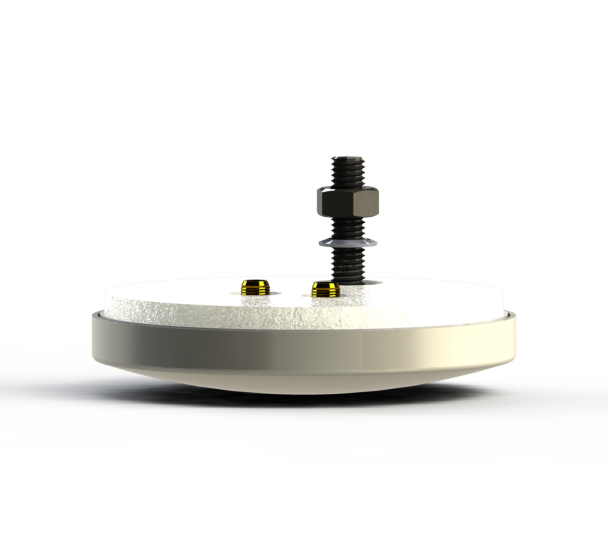
The incoming data is then distributed throughout the vehicle. Around 40 interior antennas are used for this purpose: theAntonics OmPlecs®-TOP 90 RAIL WiFi.
It supports the WiFi 2.4, 5 and 6E bands and uses cross-polarised MIMO technology. A diversity gain of over 9.97 ensures stable data rates even with moving end devices. The omnidirectional radiation creates a uniform radio cell along the entire wagon. This eliminates the typical difference between “close to the access point” and “at the end of the wagon”.
Commissioning and Benefits
After a project duration of around eight months, the modernised vehicles went into operation.
Since then, passengers can, throughout the entire crossing:
- work online
- stream and communicate
- navigate without dropped connections
The data connection remains stable for the entire duration of the crossing.
Conclusion: A Network Project in Practice
The digitalisation of the AUTOZUG Sylt was not achieved through a single component, but through coordinated collaboration:
KNRBB led the project, IME integrated the system technology, Westermo provided the routers as signal processing units, Antonics supplied the antennas, and NEG installed the components on the vehicles.
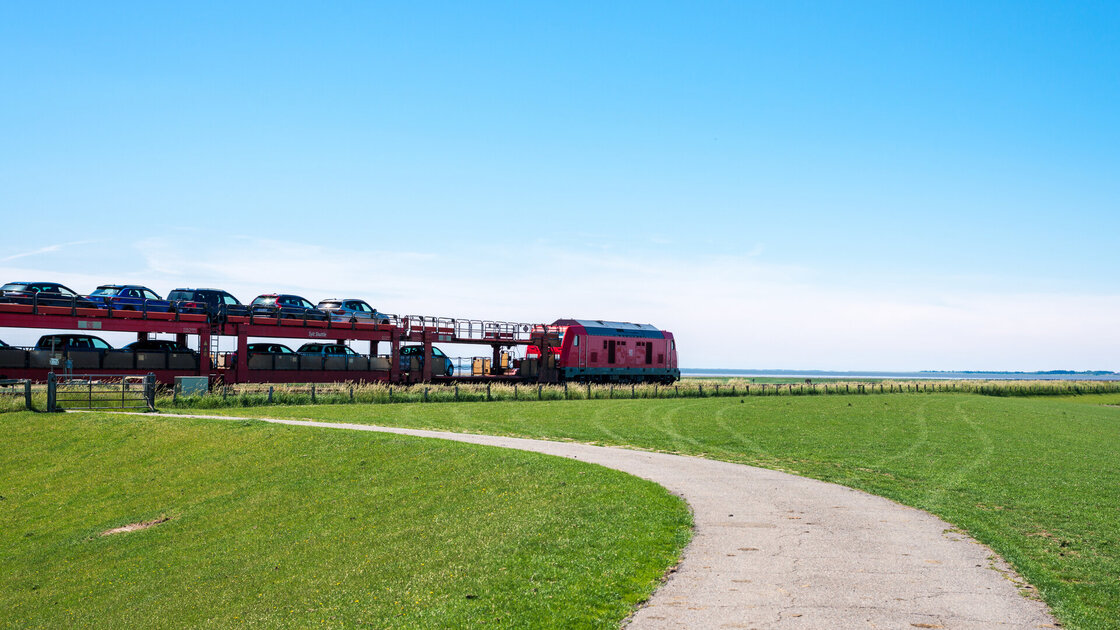
Former freight wagons became a connected train. Today, the AUTOZUG Sylt transports cars, passengers and stable internet connections across the Wadden Sea, making it one of the few freight trains worldwide with WiFi coverage.